How to Build an AI Chatbot for Your Business (No-Code to Custom)
From simple FAQ bots to advanced AI assistants — learn the different approaches to building a chatbot and which one is right for you.
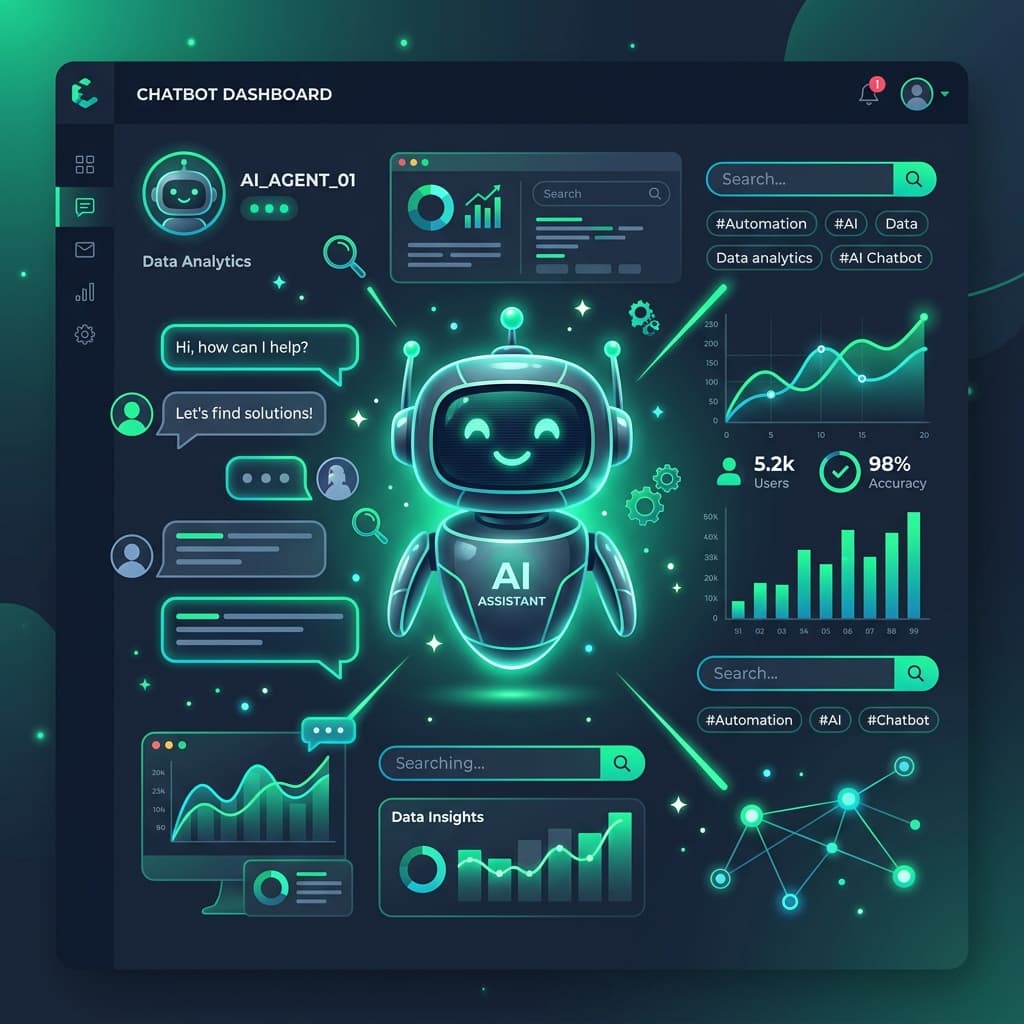
- Strategic insights and architectural blueprints for How to Build an AI Chatbot for Your Business (No-Code to Custom).
- Key technical considerations for implementing AI & Automation solutions in enterprise environments.
- How Nexacos builds scalable, high-availability software engines tailored to your growth goals.
"From simple FAQ bots to advanced AI assistants — learn the different approaches to building a chatbot and which one is right for you."
1. Core Architectural Pillars of AI & Automation
Building scalable ai & automation platforms requires decoupled microservices, secure authentication, and resilient data storage. From simple FAQ bots to advanced AI assistants — learn the different approaches to building a chatbot and which one is right for you.
2. Key Implementation Considerations & Security Standards
Security and performance cannot be afterthoughts. Integrating AES-256 encryption, OAuth2 tokenization, and multi-region cloud deployment ensures your how to build an ai chatbot for your business (no-code to custom) system remains operational under peak traffic.
3. Strategic Deployment Roadmap
By combining production-tested base engines with custom workflow tuning, engineering teams can reduce time-to-market by 60% while maintaining 100% code ownership and commercial IP control.
"In modern digital transformation, architectural clarity and execution velocity separate market leaders from legacy incumbents."
Related Articles
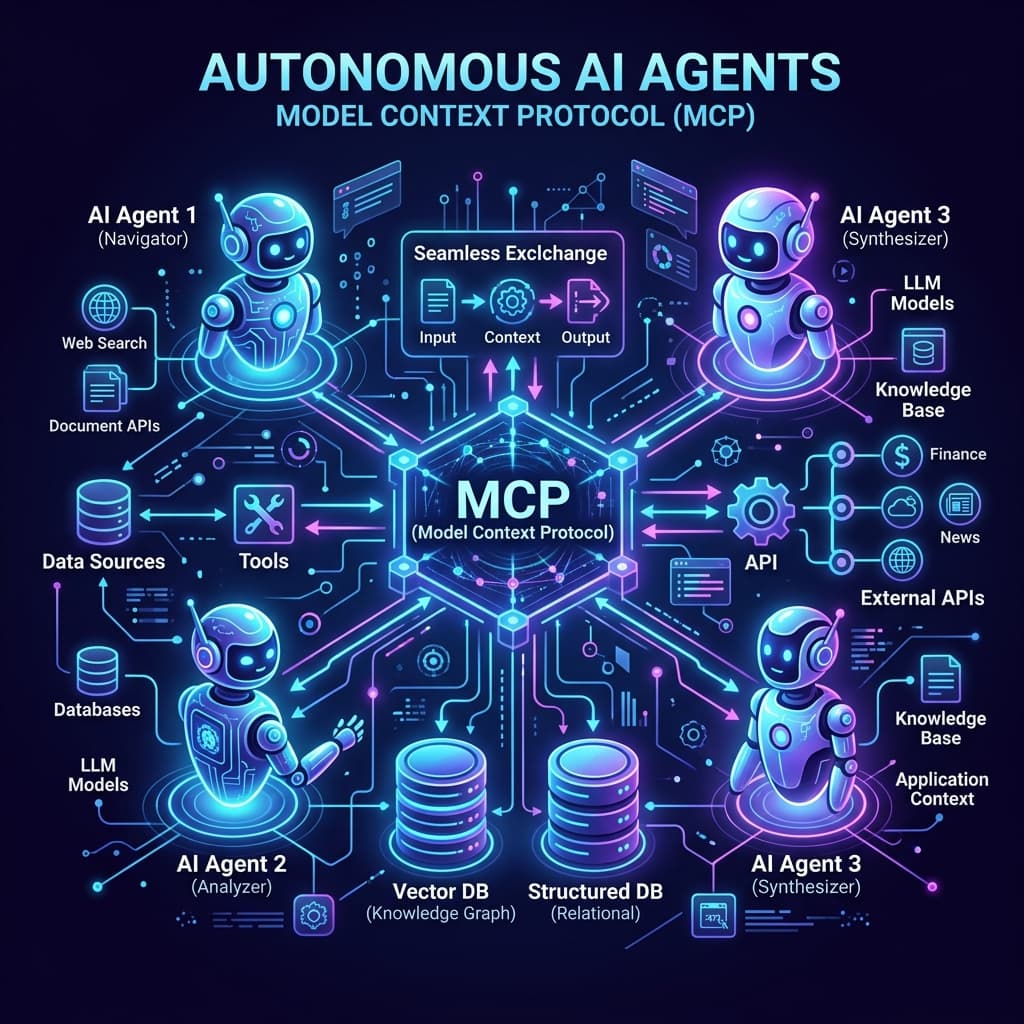
AI Agents vs Traditional Automation: Why MCP is the Future
Model Context Protocol (MCP) is changing how businesses build AI automation. Learn why AI agents are replacing RPA and traditional workflows.

The Future of Fintech in India: Trends to Watch in 2026
As India continues its digital revolution, we explore the key fintech trends that are shaping the economy.

Scaling Your SaaS: Lessons from Building Enterprise ERPs
Scaling a SaaS platform requires more than just adding servers. It requires a fundamental shift in architecture.